
We install and service whole home generators in Panama City. When the grid goes down, we make sure the lights, fridge, and AC stay on, and we handle the install from the first site walk to the final connection.
Rain, Outages, and Why Backup Power Matters Here
Panama City gets about 59.5 inches of rain a year. The rainy season runs January through April, August is the wettest month at around 7.1 inches, and even May, the driest, still brings about 3 inches. There is hardly a dry stretch in the calendar, so a storm that takes out power can come at almost any time of year. A standby generator that starts on its own when the utility drops is the practical answer, and the work is in getting it installed and wired correctly.
Sizing the Generator to What You Actually Run
We don't hand every house the same unit. Size depends on what you need to keep running: the HVAC, the kitchen, the lighting, anything on a well or sump pump. We list those loads with you first, then pick equipment that carries them without paying for capacity you'll never use. A house with multiple AC units needs a different answer than a small cottage with one.
Older Homes and What We Check Before We Quote
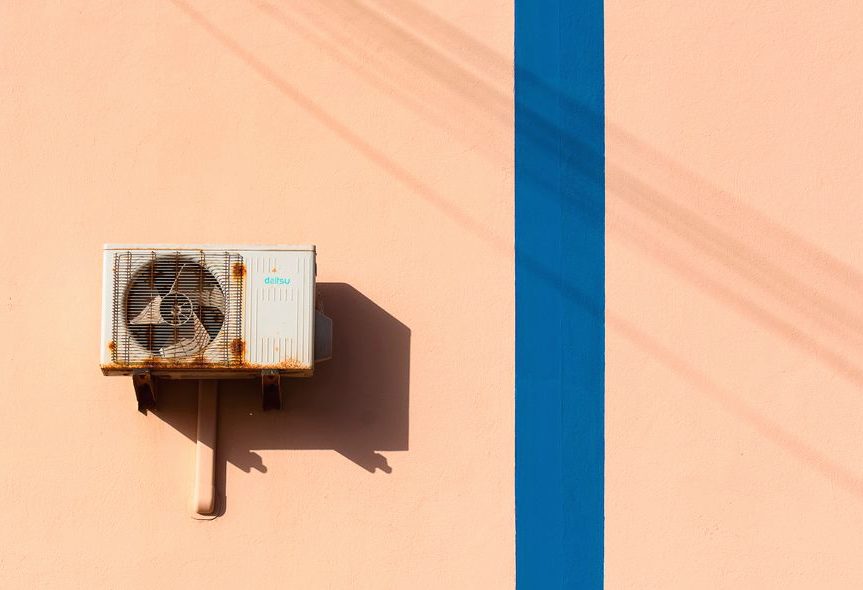
The typical Panama City home dates to around the mid-1980s, so we regularly find older electrical and fuel-gas systems sitting next to newer equipment. Before we quote, we look at the panel, the wiring we'd tie into, and the gas supply. Old components get checked before a new system connects to them. If the panel is maxed out or the fuel supply can't handle the added demand, we say so up front and price the fix into the job so nothing surprises you halfway through.
How We Handle the Transfer Switch
We mount the transfer switch upright on a rigid supporting structure and place it close to the loads it serves. Then, with both utility and generator power off, we connect the utility supply, generator supply, load conductors, neutral, and ground to their designated terminals. Nothing gets energized until every one of those connections is made and checked.
Placement, Craftsman Neighborhoods, and Exterior Rules
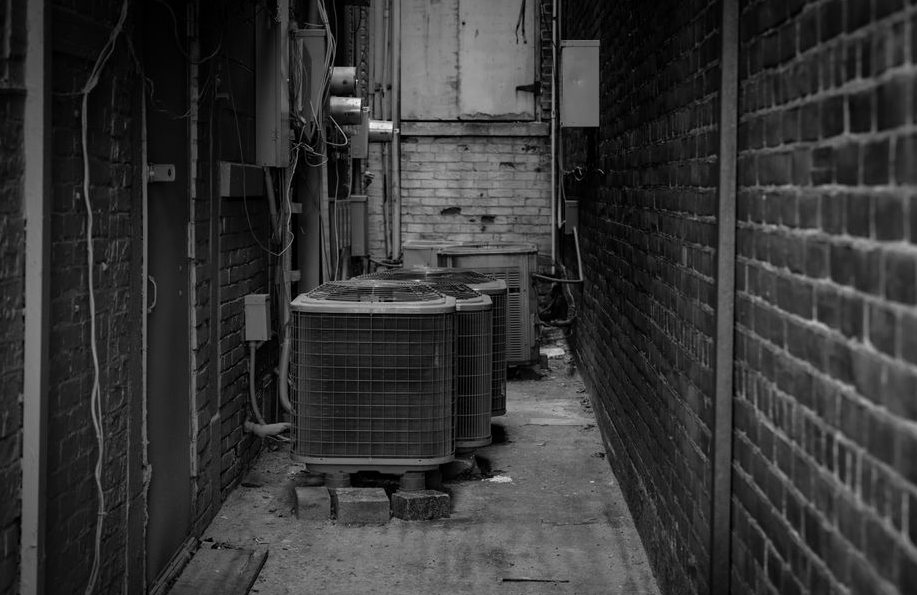
Where the unit sits is decided early. It has to suit the home's existing layout and appearance, and it still has to be reachable for service. Bungalows and cottages are common here, and Craftsman is a prominent style in neighborhoods like St. Andrews and Millville, so a unit parked in the wrong spot is easy to see from the street.
Siding varies too. In Panama City's historic areas, exteriors run from wood and hardboard to brick, masonry, and vinyl, and proposed work may need to fit the surrounding neighborhood. We plan placement around your house and your block before anything gets set.
Inside the Job
A few photos representative of the work.

Our Services in Panama City
 Standby Generator InstallationA permanent home generator starts on its own when the grid drops and carries the circuits you've chosen.
 Automatic Transfer Switch InstallationThe generator is only half of a standby system.
 Generator Diagnostics And RepairWhen your generator won't start or quits a few minutes into a run, you need to know why before the next outage.
- Annual Generator MaintenanceA standby generator sits idle for weeks, then has to carry the house when the grid drops.
 Generator Battery ReplacementA standby generator with a weak battery can fail to crank on the day the grid goes down.
 Generator Load TestingAnnual generator maintenance is the visit where we find out whether your standby system will work when the grid drops.
 Generator Fuel Supply InspectionA standby generator spends most of the year idle and then has to run for hours with no warning.
 Transfer Switch InspectionThis page covers the transfer switch visit.
Our Process
-
Tell Us What's Going On
Tell us what you're seeing and when it started — you'll get a straight answer, not a sales pitch.
-
Free Inspection
We come out, measure what's actually happening, and walk you through what we find.
-
Clear, Written Quote
We put the fix, the timeline, and the number on paper — take your time with it.
Depending on what we find, that can mean:
- At the applicable service interval, replace the engine air filter, inspect and clean the spark plugs, and inspect or adjust valve clearance where applicable.
- Mount the transfer switch upright on a rigid supporting structure and position it close to the loads it serves.
Typical Panama City Pricing
Ranges to budget around - every situation is priced on its own specifics.
$1200–$1600
$50–$75
Straight Answers to Common Questions
The primary disadvantages are the upfront purchase and installation costs, which require professional electrical and gas work. They also require ongoing maintenance, costing about $150 to $300 annually. Additionally, standby generators can be noisy during operation and self-testing cycles, and they must comply with strict local placement and setback regulations.
For a 2,000-square-foot home, a 20–24 kW standby generator is a common choice to run major appliances like central air conditioning. The unit itself costs $5,000 to $6,500. Total installation costs will vary based on labor ($1,500 to $5,000), the automatic transfer switch ($1,200 to $1,600), and whether you need a new electrical subpanel.
The 20-20-20 rule is a safety guideline for portable generators to prevent carbon monoxide poisoning. It states that you should keep the generator at least 20 feet away from your home, never run it indoors or in enclosed spaces, and allow it to cool for 20 minutes before refueling to prevent fires.
Both are industry leaders. Generac holds the largest market share, offering widely available parts, a broad dealer network, and user-friendly technology. Kohler is highly regarded for commercial-grade engines, heavy-duty alternators, and quiet operation. The best choice often depends on which brand has the strongest local dealer support in your area.
Standby generators must be placed according to manufacturer specifications and local building codes, typically at least 5 feet from windows, doors, and vents to prevent carbon monoxide from entering the home. They must also be positioned away from flammable materials and property lines, usually mounted on a concrete pad costing $50 to $75 per square foot.
While a standby generator prevents costly freeze-ups, mold, and food spoilage during a power outage, most insurance companies do not offer a direct premium discount for installing one. However, it significantly protects your property from major water damage claims, which helps keep your long-term insurance history clean.
Our Service Area
We cover Panama City, FL. Call (850) 804-1867 to confirm coverage for your address.
The Facts Behind the Number
No-Pressure Inspections
(850) 804-1867Free Inspections, fast scheduling — (850) 804-1867.
Request a Free Inspection